As a medical journalist, I have spent years speaking with clinicians who work at the intersection of rehabilitation and performance. During a recent visit to Genesis Sports Physiotherapy Clinic, I had the opportunity to personally interview Dr. Raina Ranney, a senior sports physiotherapist whose work is closely associated with Sports Injury Treatment in Mumbai. The conversation unfolded inside a clinic designed for movement analysis and recovery rather than quick fixes—setting the tone for a discussion rooted in evidence, discipline, and patient-centered care.
Sports Injury Treatment in Mumbai: A Clinical Reality Beyond the Headlines
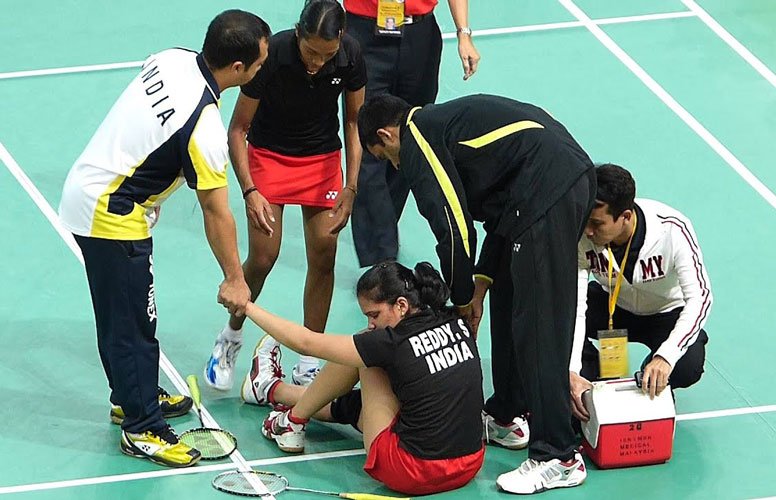
Sports Injury Treatment in Mumbai has evolved alongside the city’s growing participation in recreational and competitive sports. From runners and gym-goers to professional athletes, injury patterns are increasingly complex. Dr. Raina Ranney explained that modern sports injuries are rarely isolated events; they are often the result of load mismanagement, biomechanical inefficiencies, or incomplete recovery from previous trauma.
This perspective reframes treatment away from symptom relief and toward structured rehabilitation—an approach that aligns with contemporary Sports Physiotherapy practice worldwide.
Dr. Raina Ranney: Qualifications and Professional Foundation
According to the clinic’s professional profile, Dr. Raina Ranney is a qualified physiotherapist with advanced training in sports rehabilitation. Her academic grounding is complemented by focused clinical exposure in musculoskeletal and sports-related conditions. Over the years, she has worked with a wide spectrum of patients, including athletes from different sporting disciplines.
Her credentials and experience position her firmly within the domain of Mumbai Physiotherapy, where specialization and evidence-based protocols are increasingly valued.
Clinical Experience Shaped by Sports and Rehabilitation
During the interview, Dr. Raina Ranney spoke about her clinical journey and how working closely with athletes shaped her understanding of injury mechanisms. Sports injuries, she noted, require a deeper appreciation of movement patterns, training loads, and psychological readiness to return to play.
Her experience spans acute injuries such as ligament sprains and muscle tears, as well as chronic overuse conditions involving the knee, shoulder, spine, and ankle. This breadth of exposure informs a rehabilitation strategy that prioritizes long-term resilience over short-term symptom control.
Inside Genesis Sports Physiotherapy Clinic: Environment and Setup
Genesis Sports Physiotherapy Clinic is structured to support functional recovery rather than passive treatment alone. During my visit, the clinic environment appeared purpose-built, with designated areas for assessment, manual therapy, and active rehabilitation. Equipment is oriented toward strength training, neuromuscular control, and movement retraining.
Dr. Raina Ranney emphasized that infrastructure matters in rehabilitation. Accurate assessment tools, adequate space for movement, and supervised exercise progression are essential components of effective Sports Injury Treatment in Mumbai, particularly for athletes aiming to return to high-demand activity.
Benefits of Sports Injury Treatment Through Physiotherapy
From a clinical standpoint, Dr. Raina Ranney outlined several benefits of structured sports injury treatment:
- Restoration of strength, mobility, and coordination
- Reduction in recurrence risk through corrective exercise
- Improved performance through biomechanical efficiency
- Safer and more confident return to sport or activity
She clarified that outcomes depend on adherence to rehabilitation protocols and realistic timelines, reinforcing that physiotherapy is a process rather than a one-time intervention.
Risks and Limitations: A Balanced Medical View
While physiotherapy is generally considered low-risk, Dr. Raina Ranney acknowledged potential limitations. Inadequate diagnosis, premature return to sport, or inconsistent attendance can compromise recovery. Some conditions may also require multidisciplinary care, including orthopedic consultation or imaging support.
Her emphasis on collaboration and patient education reflects a responsible approach within Sports Physiotherapy, where managing expectations is as important as delivering treatment.
Approximate Cost Range in Mumbai
When asked about costs, Dr. Raina Ranney maintained a neutral explanation. She noted that physiotherapy costs in Mumbai vary based on injury complexity, session frequency, and duration of care. Acute injuries may require shorter treatment courses, while chronic or post-surgical cases often involve longer rehabilitation plans. Patients are encouraged to consider value in terms of recovery quality and injury prevention rather than session pricing alone.
Precautions and Aftercare Advice Shared During the Interview
Aftercare and self-management were recurring themes during the discussion. Dr. Raina Ranney highlighted key precautions she commonly advises:
- Adhering to prescribed exercise programs between sessions
- Avoiding premature escalation of training intensity
- Monitoring pain, swelling, or fatigue signals
- Maintaining follow-up assessments to track progress
She stressed that rehabilitation does not end at the clinic door; patient participation plays a decisive role in outcomes.
Clinical Decision-Making and Patient Readiness
One notable aspect of the interview was Dr. Raina Ranney’s focus on readiness—both physical and psychological—before returning to sport. She explained that objective strength measures, movement quality, and confidence must align before clearance is considered. This measured decision-making reduces reinjury risk and supports sustainable performance.
Reflections from the Clinic Visit
Serving you from Mumbai.
Have a query or want to schedule a consultation?
We are just a call away.
📞 +91 98332 11417 / +91 98211 13147
📧 genesisphysio@gmail.com
Get Directions to the Clinic – Genesis Sports Physiotherapy Clinic, Mumbai
As I concluded my visit to Genesis Sports Physiotherapy Clinic, it was evident that effective sports injury care is built on patience, precision, and partnership between clinician and patient.