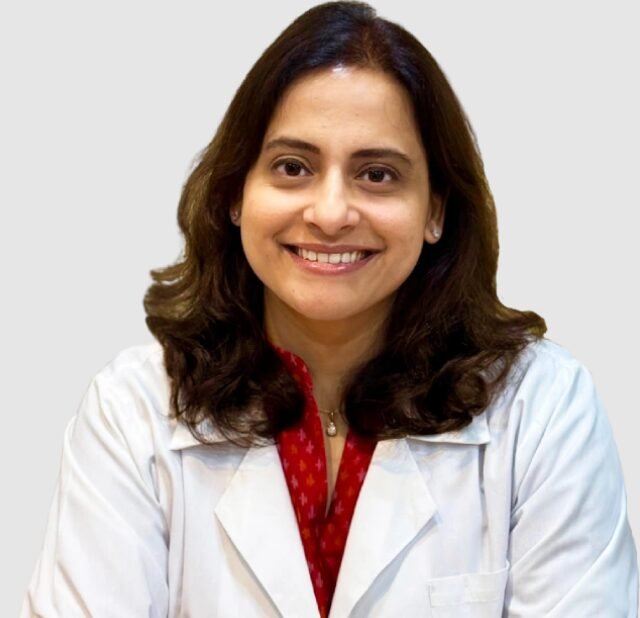
As a medical journalist, my work often takes me beyond published credentials and into clinics where medical decisions unfold in real time. During a recent visit to Jewel Aesthetic Centre in Mumbai, I interviewed Dr. Devayani Barve, whose name is frequently associated with contemporary aesthetic surgery. From the outset of our discussion, it was clear that the role of a Plastic surgeon in India today extends well beyond cosmetic outcomes—it involves ethics, patient education, and long-term responsibility.
Plastic Surgeon in India: Academic Background and Professional Qualifications
Dr. Devayani Barve’s medical journey is rooted in formal surgical training, followed by advanced specialization in plastic and aesthetic surgery. According to her professional profile, she has completed recognized qualifications that align with national and international standards in the field.
During the interview, she emphasized that plastic surgery requires not only technical skill but also a strong understanding of anatomy, wound healing, and patient psychology. This structured academic foundation supports her clinical decision-making and frames her work as a plastic surgeon in Mumbai, India operating within globally accepted medical protocols.
Clinical Experience and Areas of Expertise
With years of hands-on experience, Dr. Devayani Barve has managed a wide spectrum of aesthetic and reconstructive concerns. Her clinical exposure includes facial procedures, body contouring, and non-surgical aesthetic treatments.
Rather than focusing on volume, she spoke about case selection—explaining that not every patient is an ideal candidate for every procedure. This approach reflects a cautious and methodical practice style, often expected from a Celebrity Plastic Surgeon in Mumbai, India, yet grounded in medical pragmatism rather than branding.
Inside Jewel Aesthetic Centre: Clinic Environment and Setup
Jewel Aesthetic Centre is designed to function as a specialized aesthetic facility rather than a high-throughput clinic. As I observed, the environment prioritizes privacy, controlled patient flow, and hygiene.
Consultation rooms are structured to allow detailed pre-procedure discussions, while treatment areas adhere to standardized safety norms. Support staff appeared trained in both clinical assistance and patient communication, reinforcing a setting where informed consent is treated as an ongoing process rather than a formality.
Understanding Treatment Benefits and Risks
During our conversation, Dr. Devayani Barve stressed that aesthetic procedures, while often elective, are still medical interventions. Benefits may include improved physical proportions, functional correction, or psychological well-being when expectations are realistic.
However, she was equally clear about risks—such as infection, scarring, anesthesia-related concerns, or the possibility of revision procedures. Her insistence on discussing limitations and outcomes reflects a responsible stance within the evolving field of plastic surgery in India.
Approximate Cost Range: A Neutral Overview
When asked about cost considerations, Dr. Devayani Barve avoided specifics, maintaining a neutral and ethical tone. She explained that pricing in aesthetic surgery varies depending on procedure complexity, technology used, anesthesia requirements, and post-operative care needs.
Patients are encouraged to view cost discussions as part of the consultation process rather than relying on generalized online estimates, particularly when considering a Plastic surgeon in India with a focus on individualized treatment planning.
Precautions and Aftercare: Insights from the Interview
Aftercare, according to Dr. Devayani Barve, plays a critical role in determining surgical outcomes. Standard precautions may include activity modification, wound care, follow-up visits, and adherence to medication protocols.
She highlighted that recovery timelines differ widely between patients and procedures, making personalized guidance essential. From a journalistic standpoint, this emphasis on continuity of care reinforces the medical—not merely cosmetic—nature of plastic surgery.
The Role of Communication in Aesthetic Medicine
One recurring theme throughout the interview was communication. Dr. Devayani Barve described consultations as collaborative discussions rather than directive sessions. In an era of social media-driven expectations, she views patient education as a safeguard against unrealistic outcomes.
This approach aligns with evolving ethical standards in aesthetic medicine, where transparency and informed decision-making are increasingly prioritized.
Reflecting on Modern Plastic Surgery Practice
My visit to Jewel Aesthetic Centre offered a grounded perspective on how aesthetic surgery is practiced in an urban Indian context. It is not solely about transformation but about alignment—between patient expectations, clinical feasibility, and long-term well-being. Observing Dr. Devayani Barve’s practice highlighted how experience, environment, and ethics intersect in modern plastic surgery.
📍 Clinic Contact & Reflective CTA
Serving patients from Mumbai, Dr. Devayani Barve practices at Jewel Aesthetic Centre, where clinical conversations guide procedural decisions.
Have a query or consider a consultation? Sometimes clarity begins with an informed discussion.
📞 +91 91673 34189 | +91 91360 41545 | +91 90823 98791
📧 doctorbarve@gmail.com
Get Directions to the Clinic – Jewel Aesthetic Centre, Mumbai and plan your visit when thoughtful care matters.