As a medical journalist, I often step into operating theatres, outpatient clinics, and rehabilitation spaces to understand how complex conditions are managed in real life. My recent visit to Opera Bone and Joint Clinic in Malleswaram, Bangalore, was part of that ongoing exploration. I met and interviewed Dr. Ponnanna KM, an orthopedic specialist whose practice is frequently associated with ACL Treatment in Bangalore. What follows is a grounded, first-person account of that visit—focused not on claims, but on clinical practice, patient pathways, and evidence-based care.
Clinic Environment and Setup: Opera Bone and Joint Clinic
Opera Bone and Joint Clinic is situated in a residential pocket of Malleswaram, away from the bustle of large hospital corridors. The clinic’s layout is compact but purposeful. Consultation rooms are designed for detailed musculoskeletal assessment, while imaging reviews and patient education form a visible part of the workflow.
During my visit, I observed a steady stream of patients—many with knee braces, some accompanied by family members—suggesting the clinic’s role as a referral point for ligament and sports-related injuries. Dr. Ponnanna also operates at Sparsh Hospital, Yeshwanthpur, which provides the infrastructure for advanced arthroscopic procedures and post-operative inpatient care. This dual-setting practice allows for continuity, from outpatient evaluation to surgical intervention and follow-up.
Dr. Ponnanna KM: Qualifications and Clinical Experience
Dr. Ponnanna KM is a formally trained orthopedic surgeon with specialization in knee injuries and sports-related conditions. His academic pathway includes an MBBS, followed by a Master’s degree in Orthopedics, and advanced training in arthroscopic and minimally invasive knee procedures. According to details shared on his professional site and during our conversation, his clinical focus has long been on ligament injuries, particularly anterior cruciate ligament (ACL) tears.
With over a decade of surgical experience, Dr. Ponnanna has managed a wide spectrum of cases—from recreational athletes with acute injuries to older patients with chronic knee instability. His exposure to arthroscopic ACL reconstruction has shaped a practice that emphasizes anatomical repair, structured rehabilitation, and long-term joint health. This depth of experience is often what patients seek when consulting an Orthopedic Surgeon in Bangalore for complex knee problems.
Understanding ACL Injuries and Treatment Approach
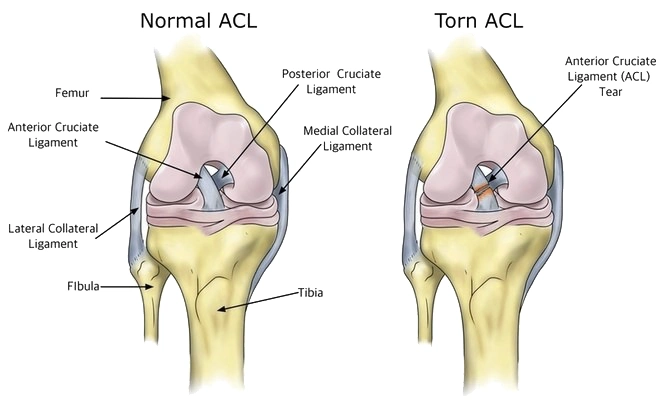
The ACL is a critical stabilizing ligament of the knee, commonly injured during sports involving sudden twisting, pivoting, or impact. Dr. Ponnanna explained that while not all ACL tears require surgery, persistent instability, high activity levels, or associated meniscal injuries often make reconstruction the preferred option.
At Opera Bone and Joint Clinic, the diagnostic process begins with a detailed clinical examination, supported by MRI imaging. Treatment planning considers the patient’s age, activity demands, degree of instability, and expectations from recovery.
Arthroscopic ACL Reconstruction
Dr. Ponnanna primarily performs arthroscopic ACL reconstruction, a minimally invasive technique using small incisions and a camera-guided system. The damaged ligament is replaced with a graft, commonly harvested from the patient’s own hamstring or patellar tendon. The approach aims to restore knee stability while minimizing surgical trauma.
Benefits and Risks of ACL Treatment
Benefits
- Restored Knee Stability: Successful reconstruction can significantly reduce episodes of knee giving way.
- Return to Activity: Many patients are able to resume sports or physically demanding work after structured rehabilitation.
- Joint Preservation: Stabilizing the knee may lower the risk of secondary damage to cartilage and menisci over time.
- Minimally Invasive Technique: Arthroscopy typically results in smaller scars, less pain, and quicker early recovery.
Risks and Limitations
- Surgical Risks: Infection, bleeding, or stiffness, though uncommon, remain possible.
- Graft-Related Issues: Graft failure or stretching can occur, particularly if rehabilitation protocols are not followed.
- Rehabilitation Commitment: Surgery alone does not guarantee success; outcomes depend heavily on physiotherapy adherence.
- Variable Timelines: Return to sports can range from 6 to 12 months, depending on individual healing and conditioning.
Dr. Ponnanna emphasized that informed consent is crucial—patients must understand both the benefits and the responsibilities that come with surgical treatment.
Approximate Cost Range
During our discussion, cost was addressed in general terms rather than specific figures. ACL treatment expenses in Bangalore can vary based on multiple factors:
- Diagnostic evaluations such as MRI scans
- Surgical setting (hospital infrastructure and length of stay)
- Type of graft used
- Post-operative rehabilitation needs
Broadly, non-surgical management tends to fall on the lower end of the cost spectrum, while arthroscopic ACL reconstruction involves higher overall expenses due to surgery, anesthesia, and rehabilitation. Dr. Ponnanna noted that individualized assessment is essential before estimating costs, as no two ACL injuries are identical.
Precautions and Aftercare: Insights from the Interview
One of the most consistent themes in my conversation with Dr. Ponnanna was the importance of preparation and aftercare.
Pre-Treatment Precautions
- Early Evaluation: Delaying assessment after a knee injury can worsen joint damage.
- Prehabilitation: Strengthening muscles before surgery can improve post-operative recovery.
- Lifestyle Review: Smoking cessation and weight management may positively influence healing.
Post-Treatment Aftercare
- Structured Physiotherapy: A phased rehabilitation program is critical for regaining strength and coordination.
- Activity Modification: Gradual return to sports, avoiding premature stress on the graft.
- Regular Follow-Ups: Monitoring knee stability and range of motion over months.
- Patient Education: Understanding warning signs such as persistent swelling or instability.
Dr. Ponnanna stressed that successful ACL outcomes are a partnership between surgeon, physiotherapist, and patient.
A Journalist’s Closing Reflection
My visit to Opera Bone and Joint Clinic offered a clear view of how ACL injuries are managed in a focused orthopedic setting. Through structured evaluation, arthroscopic expertise, and long-term follow-up, Dr. Ponnanna KM demonstrates why his practice is often discussed in conversations around ACL Treatment in Bangalore. For patients navigating knee injuries, clarity, evidence, and realistic expectations remain as important as surgical skill—principles that were evident throughout my visit.
Reflective CTA
Let’s Enhance Your Natural Beauty!
Thoughtful movement, stability, and joint health are integral to everyday life. If you are seeking clarity about knee injuries or ligament care, informed discussion is the first step.
Contact Dr. Ponnanna KM – Scheduling & Locations
📍 Opera Bone and Joint Clinic – Yeshwanthpur / Malleswaram
Tel: 89515 45276
Mail: dr.ponnanna@gmail.com