As a medical journalist, I’ve had the opportunity to observe a wide spectrum of surgical practices, but my recent visit to Opera Bone and Joint Clinic in Bangalore offered a particularly insightful look into robotic knee replacement surgery. Meeting Dr. Ponnanna KM in person allowed me to better understand how technology and clinical expertise intersect in modern orthopedics. The experience was not just about observing a procedure—it was about exploring the systems, decisions, and patient outcomes that define this increasingly discussed surgical approach.
A Closer Look at the Surgeon and His Practice
Dr. Ponnanna KM is widely regarded as an experienced Orthopedic Surgeon in Bangalore, with a career that reflects both depth and diversity in musculoskeletal care. His academic background includes formal orthopedic training complemented by advanced exposure to joint replacement techniques. Over the years, he has accumulated extensive clinical experience, particularly in knee and hip procedures, including complex revision surgeries.
During our conversation, Dr. Ponnanna explained how his practice has evolved alongside advancements in surgical technology. While he maintains a strong foundation in conventional orthopedic methods, he has also integrated robotic-assisted systems into his workflow. His approach, as he described it, is less about adopting trends and more about evaluating what genuinely improves surgical precision and patient recovery.
The Opera Bone and Joint Clinic itself reflects this philosophy. The facility is designed to support both consultation and pre-surgical evaluation, with diagnostic tools that aid in planning individualized treatment strategies. The environment is clean, structured, and focused on patient flow efficiency. According to Dr. Ponnanna, careful planning before surgery is just as important as the procedure itself.
Understanding Robotic-Assisted Knee Replacement
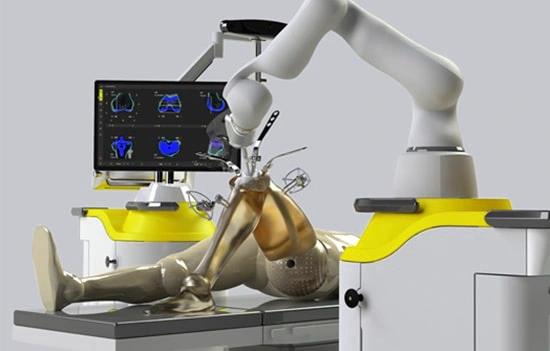
One of the key topics we discussed was robotic knee replacement surgery, a technique that integrates advanced imaging with robotic guidance to assist surgeons during joint replacement. Dr. Ponnanna clarified that despite the terminology, the robot does not operate independently. Instead, it acts as a precision tool that helps the surgeon execute pre-planned movements with a higher degree of accuracy.
The process typically begins with detailed imaging, which is used to create a three-dimensional model of the patient’s knee. This model allows for precise mapping of bone structure, alignment, and implant positioning. During surgery, the robotic system provides real-time feedback, helping the surgeon make adjustments as needed.
From a journalistic standpoint, what stood out was the emphasis on personalization. Unlike traditional methods that may rely on generalized alignment techniques, robotic systems aim to tailor each procedure to the individual’s anatomy.
Benefits and Considerations
When asked about the advantages of robotic-assisted procedures, Dr. Ponnanna highlighted several points. Improved accuracy in implant placement is often cited as a primary benefit. This precision may contribute to better joint function and potentially longer implant lifespan. Additionally, some patients report reduced post-operative pain and quicker recovery timelines, although outcomes can vary depending on individual health factors.
However, Dr. Ponnanna was equally clear about the limitations. Not every patient is an ideal candidate for robotic-assisted surgery. Factors such as bone quality, severity of joint damage, and overall health must be considered. He also noted that while technology can enhance surgical execution, it does not replace clinical judgment or experience.
From a risk perspective, robotic knee replacement surgery shares many of the same potential complications as traditional knee replacement. These include infection, blood clots, implant wear, and in rare cases, the need for revision surgery. The addition of robotic systems does not eliminate these risks but may help reduce variability in surgical outcomes.
Cost Considerations
Cost is often a significant concern for patients exploring advanced surgical options. While Dr. Ponnanna did not provide exact figures, he offered a general perspective on pricing. Robotic-assisted knee replacement tends to be more expensive than conventional surgery due to the technology involved, including imaging, software, and specialized equipment.
In Bangalore, the cost range can vary widely depending on the hospital, implant type, and patient-specific requirements. On average, patients might expect a range that is moderately higher than standard knee replacement procedures. However, Dr. Ponnanna emphasized that cost should be evaluated alongside potential benefits, recovery time, and long-term outcomes.
Precautions and Aftercare
A significant portion of our discussion focused on what happens after surgery. According to Dr. Ponnanna, successful outcomes depend heavily on post-operative care and patient adherence to rehabilitation protocols.
He outlined several key precautions:
- Early Mobilization: Patients are encouraged to begin movement soon after surgery, often within 24 hours, under supervision.
- Physiotherapy: Structured rehabilitation is essential for restoring strength and range of motion.
- Infection Prevention: Proper wound care and hygiene are critical during the initial recovery phase.
- Lifestyle Adjustments: Maintaining a healthy weight and avoiding high-impact activities can help prolong the life of the implant.
Dr. Ponnanna also stressed the importance of realistic expectations. While many patients experience significant pain relief and improved mobility, recovery timelines can vary. Continuous follow-up and monitoring are necessary to ensure optimal healing.
A Balanced Perspective
Throughout the interview, what became clear was Dr. Ponnanna KM balanced approach to technology. As someone often described as the Best Orthopedic Doctor in Bangalore, he does not position robotic systems as a universal solution. Instead, he views them as one of several tools available to improve surgical precision when used appropriately.
From a journalistic lens, this perspective is particularly valuable. In an era where medical advancements are often marketed aggressively, it is refreshing to encounter a clinician who emphasizes evidence, patient selection, and individualized care.
Closing Reflections
Walking out of Opera Bone and Joint Clinic, I was left reflecting on how far orthopedic surgery has progressed—and how much of that progress depends not just on technology, but on the hands and judgment guiding it. Robotic systems may represent the future of joint replacement, but their success ultimately lies in thoughtful application.
For patients considering their options, the conversation should extend beyond technology to include experience, expectations, and long-term outcomes. In that context, robotic knee replacement surgery becomes not just a procedure, but part of a broader, carefully considered treatment journey.
Contact Dr. Ponnanna KM – Scheduling & Locations
Opera Bone and Joint Clinic 14 Ground Floor, 4th Main, 6th Cross Rd, Malleshwaram, Bengaluru, Karnataka 560003
Sparsh Hospital 4/1, Tumkur Rd, Yeshwanthpur Industrial Area, Phase 1, Yeswanthpur, Bengaluru, Karnataka – 560022
Tel: 8951545276
Mail: dr.ponnanna@gmail.com
To Know More – Schedule a consultation today