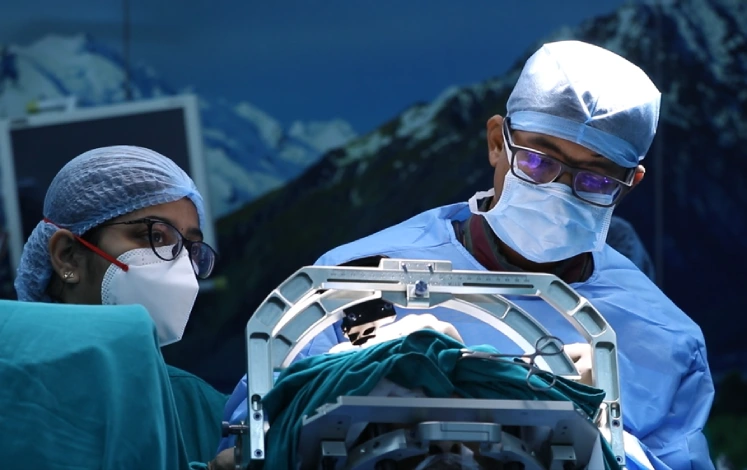
As a medical journalist, I’ve spent years observing how advanced neuroscience quietly reshapes lives behind the doors of specialty clinics. My recent visit to Lalbaug Diagnostics offered such a moment—where technology, precision, and long-term patient care intersect. I was there to interview Dr. Manish Baldia, widely known as a DBS Programming Specialist in Mumbai, and to better understand how post-surgical programming plays a defining role in Deep Brain Stimulation outcomes.
From the outset, it was clear that DBS is not a single event or surgery, but an ongoing therapeutic process—one that requires clinical judgment, patience, and close collaboration between doctor and patient.
Dr. Manish Baldia: Training, Expertise, and Clinical Focus
Dr. Manish Baldia is a functional neurosurgeon with focused expertise in movement disorders, particularly Parkinson’s disease, dystonia, and tremors. According to clinical information shared during our discussion, his academic training includes advanced specialization in functional and stereotactic neurosurgery, with particular emphasis on Deep Brain Stimulation (DBS) surgery and post-operative programming.
What distinguishes Dr. Baldia’s work is his dual involvement—both in the surgical implantation of DBS systems and in the long-term programming and optimization that follows. In clinical neurology, DBS programming is widely recognized as a highly specialized skill, often determining the real-world effectiveness of the surgery itself. This specialization positions him among experienced Neuro Doctor in Mumbai practices that manage complex neurological disorders beyond standard treatment pathways.
The Clinical Environment at Lalbaug Diagnostics
Lalbaug Diagnostics, one of Dr. Baldia’s key practicing locations, presents a structured and methodical clinical environment. During my visit, the setup appeared designed for longitudinal care rather than quick consultations—appropriate for neurological conditions that evolve over time.
The clinic supports detailed neurological assessments, imaging coordination, DBS device interrogation, and programming adjustments. The atmosphere was professional, calm, and notably unhurried. Patients undergoing DBS programming often require extended consultation sessions, something the clinic’s workflow seemed well adapted to accommodate.
Dr. Baldia also practices across multiple institutions, including tertiary care hospitals, which allows continuity of care across surgical and outpatient phases.
Understanding DBS Programming: Beyond the Surgery
While Deep Brain Stimulation surgery involves implanting electrodes in specific brain regions, programming determines how electrical impulses are delivered—adjusting parameters such as voltage, frequency, and pulse width.
During the interview, Dr. Baldia explained that DBS programming is highly individualized. No two patients respond identically, even with similar diagnoses. The process often involves multiple sessions over weeks or months to balance symptom control with minimal side effects.
This ongoing calibration is why the role of a DBS Programming Specialist in Mumbai becomes central long after surgery is completed.
Clinical Benefits of DBS Programming
From a neurological standpoint, effective DBS programming may offer several benefits:
- Improved motor control in Parkinson’s disease, including reduction in tremors, rigidity, and bradykinesia
- Lower medication dependence, potentially reducing drug-related side effects
- Improved quality of life, particularly in daily mobility and independence
- Customizable therapy, adjusted over time as symptoms evolve
Dr. Baldia emphasized that DBS is not curative, but it can offer meaningful functional improvement when properly programmed and monitored.
Risks and Limitations: A Balanced Clinical View
DBS programming, while non-invasive, is not without considerations. Risks and limitations discussed during the interview included:
- Temporary side effects, such as speech changes, muscle tightness, or tingling sensations during adjustments
- Need for repeated sessions, especially in the first year post-surgery
- Variable outcomes, depending on disease progression and individual neurophysiology
- Device-related issues, such as battery depletion or lead migration, though uncommon
Dr. Baldia was careful to frame DBS programming as a process requiring patience and regular follow-up rather than a one-time solution—an approach consistent with best practices in functional neurosurgery.
Approximate Cost Range
Costs associated with DBS programming can vary depending on:
- Frequency of programming sessions
- Type of DBS system implanted
- Duration of follow-up care
- Hospital or clinic infrastructure
In Mumbai, patients can generally expect DBS-related care—including programming—to fall within a broad, non-specific range, often bundled with surgical follow-ups or charged per session. Dr. Baldia noted that transparent discussions around treatment planning and costs are typically conducted before initiating long-term programming schedules.
Aftercare and Long-Term Precautions
A significant portion of DBS success lies in post-treatment management. Dr. Baldia shared several aftercare principles he routinely emphasizes:
- Regular follow-ups to fine-tune stimulation settings
- Medication coordination, as drug dosages may need gradual adjustment
- Monitoring symptom changes, including speech, balance, or mood
- Device awareness, ensuring patients recognize battery alerts or unusual sensations
- Lifestyle stability, including sleep, hydration, and stress management
Patients are also advised to inform other healthcare providers about their DBS device before undergoing MRI scans or certain medical procedures.
A Journalist’s Reflection on DBS Care in Mumbai
My interaction with Dr. Manish Baldia reinforced a key insight: advanced neurological care does not end in the operating room. DBS programming represents the quieter, less visible phase of treatment—yet it is often where the most meaningful patient improvements occur.
In an era where surgical innovation advances rapidly, the importance of skilled post-surgical management remains constant. For patients navigating complex movement disorders, access to an experienced clinician—often regarded as the Best doctor for Parkinsons in Mumbai by peers and patients alike—can shape not just outcomes, but long-term confidence in care.
📍 Clinic Address:
Lalbaug Diagnostics
Clinic Hours: 9:00 am – 9:00 pm
Phone: 096767 67507
Practicing Locations: Wockhardt Hospital, Lalbaug Diagnostics, Ruby Hall Hospital