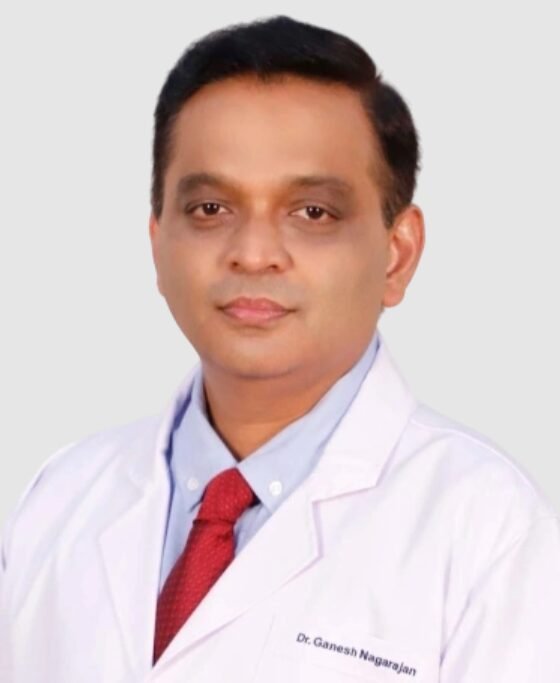
As a medical journalist, I spend much of my time inside hospitals, observing how complex medical decisions are made in real clinical environments. During a recent visit to Nanavati Super Specialty Hospital, I met Dr. Ganesh Nagarajan, a senior surgical oncologist whose work spans advanced cancer surgery and multidisciplinary care. This visit was an opportunity to understand how cancer treatment is approached at the operating-table level—where planning, precision, and patient counseling intersect. From the outset, Dr. Ganesh Nagarajan’s work reflected a structured, evidence-based approach rooted firmly in surgical oncology.
Academic Qualifications and Specialized Training
According to publicly available professional information, Dr. Ganesh Nagarajan holds an MBBS degree followed by MS in General Surgery, and further super-specialty training in Surgical Oncology. His academic pathway reflects the standard but demanding progression required to manage complex cancer cases—beginning with foundational surgery and advancing into organ-specific and tumor-specific oncologic procedures.
During our conversation, he emphasized that surgical oncology is not defined solely by operative skill. It also requires a deep understanding of tumor biology, staging, and coordination with medical and radiation oncology teams.
Years of Clinical Experience in Cancer Surgery
Dr. Ganesh Nagarajan has extensive clinical experience managing a wide range of cancers, including gastrointestinal, hepatobiliary, pancreatic, and colorectal malignancies. His role involves not only performing surgery but also participating in pre-treatment planning and post-operative follow-up.
He is closely associated with Cancer Surgery Clinic, a dedicated center focused on surgical cancer care. While he is often referred to in professional circles as a Top Surgical Oncologist in Mumbai, our discussion remained firmly clinical—centered on patient selection, timing of surgery, and long-term outcomes rather than reputational labels.
Dr. Ganesh Nagarajan: Clinical Observations from Nanavati Super Specialty Hospital
Nanavati Super Specialty Hospital provides a tertiary-care environment equipped for complex oncologic procedures. Operating theaters are supported by advanced imaging, intensive care facilities, and specialized nursing teams trained in cancer care.
The Cancer Surgery Clinic functions as a consultation and follow-up hub, where patients undergo detailed evaluations before any surgical recommendation is made. During my visit, I observed that consultations were deliberately thorough, often involving review of pathology reports, imaging studies, and prior treatments. This layered decision-making process is critical in cancer surgery, where timing and sequencing of treatment can significantly affect outcomes.
Benefits and Risks of Surgical Cancer Treatment
Surgery remains a cornerstone of cancer treatment for many solid tumors. Dr. Ganesh Nagarajan explained that the primary benefit of oncologic surgery is disease control—either through complete tumor removal or reduction of tumor burden to improve the effectiveness of other treatments.
However, he was equally open about risks. These may include bleeding, infection, delayed recovery, and procedure-specific complications depending on the organ involved. Cancer surgeries often carry higher complexity due to altered anatomy, prior treatments, or advanced disease stages. Clear communication of these risks, he noted, is essential for informed consent.
Cost Considerations: A General Overview
When discussing costs, Dr. Ganesh Nagarajan maintained a neutral stance. Cancer surgery expenses vary widely depending on the type of cancer, surgical complexity, hospital stay, and need for intensive post-operative care.
In Mumbai, surgical oncology costs are influenced by diagnostic workups, operating time, technology used, and follow-up requirements. He emphasized that cost discussions should always follow clinical evaluation, ensuring that treatment decisions remain medically appropriate rather than financially driven.
Precautions and Aftercare Shared During the Interview
Post-operative care is a critical component of cancer treatment. Dr. Ganesh Nagarajan highlighted the importance of wound care, nutritional support, early mobilization, and adherence to follow-up schedules.
Patients are often advised to monitor for early signs of complications and to maintain close communication with their care team. Long-term aftercare may include coordination with medical or radiation oncology, depending on pathology results. Recovery, he stressed, is not limited to physical healing but also includes emotional and psychological support.
A Journalist’s Perspective on Surgical Oncology
What stood out during this visit was the emphasis on planning over urgency. Cancer surgery, as practiced here, is not reactive but carefully timed and coordinated. The environment at Nanavati Super Specialty Hospital supports this approach, allowing surgeons to work within multidisciplinary frameworks rather than in isolation.
For readers trying to understand cancer care pathways, this visit reinforced the importance of centers that integrate surgical expertise with comprehensive oncologic support.
Serving you from Mumbai
Have a query or want to schedule a consultation?
We are just a call away.
📞 +91 73046 63828 / +91 7700058024
📧 hello@cancersurgeryclinic.com
Get Directions to the Clinic- Cancer Surgery Clinic