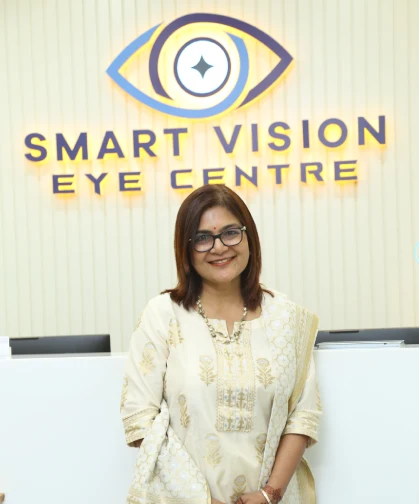
Healthcare reporting often takes me across Mumbai’s specialty clinics and hospitals, but my recent visit to Smart Vision Eye Centre in Andheri East offered a particularly insightful look into the changing landscape of ophthalmology. During my interaction with Dr. Seema Behl, I observed how technology, preventive screening, and patient education are increasingly shaping eye care practices in urban India. For many residents searching for a trusted Eye Doctor in Andheri East, this clinic has emerged as a recognizable name in comprehensive ophthalmic services.
Dr. Seema Behl’s Academic Background and Professional Experience
According to details shared during the consultation and information available on the clinic’s official website, Dr. Seema Behl completed her M.B.B.S. and M.S. in Ophthalmology from Banaras Hindu University (B.H.U.), Varanasi. She later underwent advanced fellowship training in phacoemulsification and microsurgery at the renowned Aravind Eye Hospital in Madurai.
With over 30 years of clinical experience, Dr. Behl has worked with reputed healthcare institutions in Mumbai and Delhi. Her practice today focuses on both surgical and non-surgical ophthalmology, with expertise in:
- Cataract surgery
- LASIK and refractive procedures
- Pediatric ophthalmology
- Glaucoma management
- Dry eye treatment
- Corneal conditions and keratoconus
During our conversation, she discussed how ophthalmology has evolved dramatically over the last two decades, particularly with minimally invasive surgical methods and precision imaging technologies becoming more accessible.
A Look Inside Smart Vision Eye Centre
The infrastructure at Smart Vision Eye Centre reflects the model of a modern Ophthalmologist Clinic in Mumbai, where diagnostics, consultations, and surgical planning are integrated within a single facility.
While touring the clinic, I observed several diagnostic systems used for retinal examination, glaucoma evaluation, and refractive assessment. The setup appeared structured to handle both preventive eye check-ups and advanced ophthalmic procedures efficiently.
The patient demographic was equally varied. Some visitors were senior citizens seeking cataract evaluation, while others were younger professionals consulting for LASIK or prolonged screen-related eye strain. The clinic staff appeared organized in coordinating preliminary vision assessments before specialist consultations.
Cataract Surgery: What Patients Should Know
One of the primary subjects discussed during the interview was cataract treatment, still among the most common eye surgeries performed globally.
Dr. Behl explained that contemporary cataract surgery largely relies on phacoemulsification, a technique involving small incisions and ultrasonic lens fragmentation. Compared to older approaches, recovery periods are often shorter and visual outcomes more predictable.
Potential Benefits
- Sharper and brighter vision
- Reduced glare sensitivity
- Improved night-time visibility
- Greater independence in daily tasks
Possible Risks
Although cataract surgery is considered highly successful, it still carries certain risks:
- Infection
- Temporary inflammation
- Dry eye symptoms
- Rare retinal complications
The doctor stressed the importance of proper pre-operative screening, especially for diabetic or hypertensive patients.
LASIK and Refractive Vision Correction
With growing digital screen dependence, refractive surgeries such as LASIK continue to attract younger age groups looking to reduce dependence on spectacles.
At the clinic, LASIK suitability evaluations reportedly include:
- Corneal thickness analysis
- Vision stability assessment
- Corneal topography
- Dry eye evaluation
Commonly Discussed Advantages
- Reduced reliance on glasses or contact lenses
- Quick visual recovery
- Convenience for active professionals and students
Risks and Limitations
- Temporary dryness or irritation
- Night glare or halos
- Variable results depending on corneal structure
- Unsuitability in certain medical conditions
Dr. Behl noted that a detailed screening process is essential because not all patients are ideal candidates for refractive surgery.
Approximate Eye Treatment Costs in Mumbai
Though the clinic does not publicly highlight fixed treatment packages, the approximate cost of eye care procedures in Mumbai generally varies depending on the complexity of the condition, the technology used, and the type of surgery or diagnostic evaluation required. A routine eye consultation may typically range between ₹800 and ₹1,500, while cataract surgery can cost anywhere from ₹30,000 to ₹1,20,000 depending on the lens type and surgical technique selected.
LASIK and refractive vision correction procedures are usually priced between ₹45,000 and ₹1,50,000. Meanwhile, glaucoma evaluations, which may involve multiple diagnostic tests, can range from ₹2,000 to ₹7,000. Pediatric eye assessments generally begin from around ₹1,000 onwards. These figures are approximate estimates observed across Mumbai’s ophthalmology sector and may vary based on individual patient requirements and clinical recommendations.
Preventive Eye Care Advice Shared by Dr. Behl
Throughout the interaction, Dr. Behl repeatedly emphasized preventive care rather than symptom-based treatment alone.
Some practical recommendations she discussed included:
- Scheduling annual eye examinations after age 40
- Avoiding prolonged screen exposure without breaks
- Maintaining blood sugar control in diabetic patients
- Using lubricating drops during extended computer work
- Wearing UV-protective eyewear outdoors
- Avoiding self-medication with steroid-based eye drops
She also highlighted the growing incidence of dry eye syndrome among office workers and students due to extended digital device usage.
Recovery and Aftercare Guidance
After Cataract Surgery
Patients are generally advised to:
- Avoid dust exposure temporarily
- Use prescribed medications consistently
- Avoid rubbing the eyes
- Attend regular follow-up appointments
- Wear protective glasses outdoors
After LASIK
Typical aftercare precautions include:
- Limiting screen exposure initially
- Using lubricating drops regularly
- Avoiding swimming during early recovery
- Avoiding eye makeup temporarily
According to Dr. Behl, disciplined aftercare often contributes significantly to surgical success and patient comfort.
Why Specialized Eye Care Matters Today
As urban lifestyles continue to evolve, ophthalmologists increasingly encounter eye strain, dry eye disease, and lifestyle-related visual disorders alongside traditional conditions such as cataracts and glaucoma.
My visit to Smart Vision Eye Centre reflected how specialized eye clinics are adapting to these changes through advanced diagnostics and patient education. For individuals researching an experienced Eye Doctor in Andheri East, clinics that combine preventive care with modern surgical infrastructure are becoming increasingly relevant.
Contact Details:
📞 Mobile: +91 9321842424 Tel: +91 22 31399370
🕒 Monday to Saturday — 10:00 am to 7:00 pm