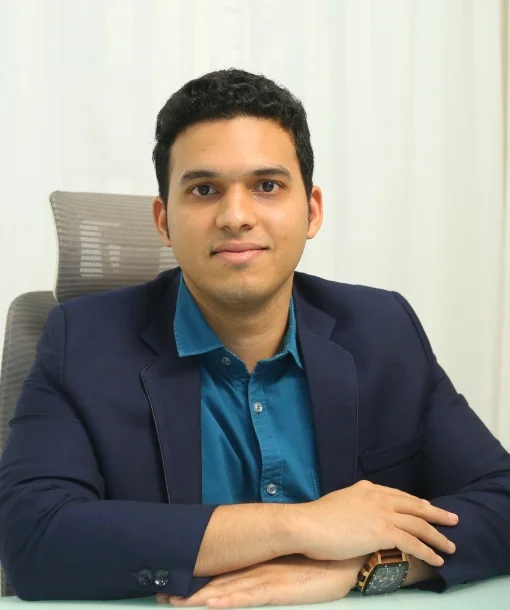
As a medical journalist covering evolving trends in orthopedic and neurosurgical care, I recently visited Synapse Spine, a specialty spine care center in Mumbai known for its multidisciplinary approach to spinal disorders. During my interaction with dr abhishek kulkarni, I observed how modern spine clinics are increasingly moving toward minimally invasive techniques, evidence-based rehabilitation, and conservative treatment before surgery is considered. The visit offered an informative perspective on how urban spine problems — once associated mostly with aging — are now affecting younger professionals, athletes, and even students.
Located across multiple centers in Mumbai and the Mira Bhayandar region, Synapse Spine functions as a dedicated spine-focused setup bringing together orthopedic spine surgeons, neurospine specialists, physiotherapists, and pain management experts under one clinical structure. The environment inside the clinic reflected a streamlined, technology-supported system with emphasis on imaging evaluation, patient counseling, and individualized recovery planning.
Educational Background and Clinical Experience
Based on information published by Synapse Spine, Dr. Kulkarni completed his MBBS from K.J. Somaiya Medical College and later pursued MS in Orthopedics at MGM Medical College and Hospital, Aurangabad. He subsequently completed advanced fellowship training in spine surgery and further international exposure in minimally invasive spine surgery at St. Joseph Hospital in Texas, USA.
During the interview, it became evident that much of his work focuses on balancing surgical precision with long-term mobility outcomes. His training includes exposure to advanced spinal procedures such as:
- Minimally invasive transforaminal lumbar interbody fusion (MIS TLIF)
- Percutaneous fixation procedures
- Disc replacement surgeries
- Endoscopic spine surgery
- Pain management interventions
- Cervical and lumbar decompression surgeries
According to Synapse Spine, Dr. Kulkarni has operated on more than 400 spinal cases while assisting in over 1000 complex procedures during his training and clinical career. He has also performed numerous pain management interventions including epidural injections and nerve block procedures.
The Growing Burden of Spine Disorders
One recurring theme during the discussion was the dramatic increase in spine-related complaints among working-age adults. Dr. Kulkarni explained that prolonged sitting, sedentary routines, poor posture, obesity, and lack of core muscle conditioning are contributing significantly to spinal degeneration and disc-related disorders.
At Synapse Spine, commonly treated conditions include:
- Slip disc (herniated disc)
- Sciatica
- Cervical spondylosis
- Lumbar canal stenosis
- Degenerative spine disease
- Neck and back pain
- Spinal deformities
- Sports-related spinal injuries
What stood out during the visit was the clinic’s emphasis on non-surgical management whenever possible. According to Synapse Spine’s stated philosophy, surgery is generally viewed as the final option after conservative therapies fail to provide relief.
Modern Spine Treatment Approaches
Dr. Kulkarni described how treatment plans are customized depending on the severity of symptoms, neurological involvement, imaging findings, and patient lifestyle requirements.
Conservative Management
For mild to moderate spinal disorders, treatment may include:
- Physiotherapy
- Core strengthening exercises
- Medication management
- Ergonomic correction
- Lifestyle modification
- Guided spinal injections
During the interview, he stressed that many patients improve significantly through structured rehabilitation programs without requiring surgery.
Minimally Invasive Spine Surgery
When surgery becomes necessary, minimally invasive techniques are increasingly preferred because they involve:
- Smaller incisions
- Reduced blood loss
- Faster recovery
- Shorter hospitalization
- Lower muscle disruption
Procedures commonly discussed included decompression surgeries, fusion procedures, and endoscopic spine surgeries for disc-related compression.
Pain Management Procedures
Synapse Spine also appears to focus heavily on interventional pain procedures such as epidural injections and nerve root blocks for patients with persistent pain who may not immediately require surgery.
Benefits of Modern Spine Treatment
According to Dr. Kulkarni, advances in spine surgery and rehabilitation have significantly improved recovery outcomes compared to traditional approaches used years ago.
Potential benefits of modern treatment include:
- Reduced chronic pain
- Improved mobility
- Better nerve decompression
- Faster return to daily activity
- Lower hospitalization duration
- Better posture and spinal stability
Patients undergoing minimally invasive procedures may also experience reduced post-operative discomfort and quicker rehabilitation timelines.
For younger patients and professionals, maintaining mobility and minimizing prolonged absence from work has become an increasingly important treatment consideration.
Risks and Limitations Discussed During the Interview
The conversation remained balanced and clinically grounded, particularly when discussing surgical expectations. Dr. Kulkarni emphasized that spine surgery should never be viewed as an instant or guaranteed cure.
Potential risks associated with spine procedures may include:
- Infection
- Bleeding
- Nerve injury
- Recurrence of symptoms
- Implant-related complications
- Residual pain despite surgery
- Rehabilitation delays
He also noted that some patients delay treatment for years due to fear of surgery, often worsening nerve compression and reducing recovery potential.
Importantly, the clinic’s approach appeared focused on patient education rather than pressure toward operative intervention.
Approximate Cost Range in Mumbai
While exact expenses vary depending on the hospital, implant requirements, investigations, and surgical complexity, general consultation charges for spine specialists in Mumbai may range between ₹1,500 and ₹4,000.
Conservative treatment involving physiotherapy and pain management procedures may cost several thousand rupees depending on duration and frequency.
Minimally invasive spine surgeries in Mumbai may broadly range from approximately ₹1.5 lakh to ₹5 lakh or more, depending on:
- Number of spinal levels involved
- Implant requirements
- Hospital stay
- Technology used
- Complexity of the condition
Patients are generally advised to discuss individualized estimates directly with the clinic after imaging evaluation and clinical examination.
Precautions and Aftercare Advice Shared by Dr. Kulkarni
During the interview, Dr. Kulkarni highlighted several practical recommendations that patients frequently overlook:
- Avoid prolonged sitting without breaks
- Strengthen core and back muscles regularly
- Maintain healthy body weight
- Avoid sudden heavy lifting
- Follow structured rehabilitation programs after treatment
- Use ergonomic workplace support
- Seek early evaluation for persistent numbness or radiating pain
For post-surgical patients, he emphasized gradual rehabilitation rather than rushing back into physically demanding activities too quickly.
He also pointed out that many modern spine problems are deeply connected to lifestyle habits rather than age alone.
Final Reflections from the Visit
Walking through Synapse Spine, one observation became increasingly clear: contemporary spine care is no longer limited to large surgeries alone. The field now combines rehabilitation science, minimally invasive technology, interventional pain management, and preventive education in ways that continue to reshape orthopedic and neurospine practice across India.
Contact Us – Synapse Spine
📞 +91 81698 45056📞 +91 93726 71858📞 +91 93211 24611📞 +91 74998 98303