As a medical journalist covering ENT and trauma care across urban India, I recently visited Kokilaben Dhirubhai Ambani Hospital and Medical Research Institute to better understand the realities of Nasal Bone Fracture Treatment in Mumbai. My interaction with Dr. Shama S Kovale offered a grounded, clinical perspective on how nasal injuries are diagnosed, treated, and followed up in a modern tertiary-care setting.
Meeting the Specialist: Qualifications and Clinical Background
Dr. Shama S Kovale is trained in otorhinolaryngology (ENT), with a clinical focus on nasal and sinus disorders, trauma management, and airway-related conditions. Her qualifications include formal postgraduate training in ENT, supported by years of hospital-based surgical experience. Over the course of our discussion, it became evident that her expertise lies not only in elective procedures but also in managing acute facial injuries such as nasal bone fractures.
In clinical circles, practitioners like her are often regarded among the Best ENT Specialist in Mumbai, though she refrained from adopting such titles herself. Instead, she emphasized a protocol-driven approach: accurate diagnosis, timely intervention, and careful follow-up.
Her experience spans both outpatient consultations and emergency care scenarios, where nasal fractures are frequently encountered due to road accidents, sports injuries, or physical trauma.
Inside the Hospital Environment
The infrastructure at Kokilaben Dhirubhai Ambani Hospital and Medical Research Institute reflects a high level of organization typical of multi-specialty hospitals. The ENT department is equipped with diagnostic tools such as nasal endoscopy systems and imaging support, enabling precise evaluation of fractures.
During my visit, I observed a streamlined patient flow—from triage to imaging and consultation. The environment was clinical yet patient-friendly, with clear protocols guiding both minor and complex cases.
Dr. Kovale explained that nasal fractures are often underestimated by patients. “Many people assume it’s just swelling,” she noted, “but untreated fractures can lead to long-term breathing issues or cosmetic deformities.”
Understanding Nasal Bone Fractures
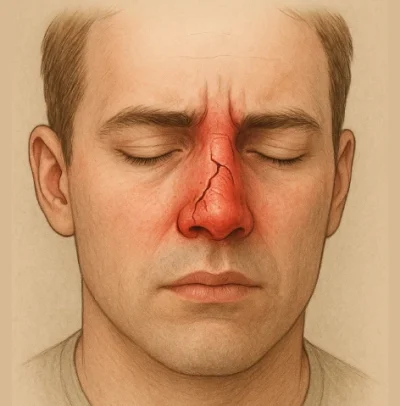
A nasal bone fracture refers to a break or crack in the nasal bones, typically caused by blunt trauma. Symptoms may include:
- Pain and swelling
- Nosebleeds
- Difficulty breathing through the nose
- Visible deformity or misalignment
Diagnosis usually involves physical examination and, when required, imaging such as X-rays or CT scans.
The approach to Nasal Bone Fracture Treatment in Mumbai depends on the severity of the injury. Minor fractures may be managed conservatively, while displaced fractures often require reduction—a procedure to realign the bones.
Benefits and Risks of Treatment
Benefits
Dr. Kovale highlighted that timely treatment offers both functional and aesthetic benefits:
- Restoration of normal breathing
- Prevention of long-term nasal obstruction
- Correction of visible deformity
- Reduced risk of complications such as septal deviation
In many cases, early intervention can avoid the need for more complex corrective surgeries later.
Risks
As with any medical procedure, there are associated risks:
- Residual deformity if alignment is not perfect
- Infection or bleeding
- Need for revision procedures in some cases
- Temporary discomfort during recovery
“Patients should understand that outcomes depend on both the nature of the injury and the timing of treatment,” she explained.
Cost Overview: A General Perspective
When discussing cost, Dr. Kovale maintained a neutral stance, emphasizing variability based on hospital infrastructure and case complexity.
Approximate ranges include:
- Basic consultation and imaging: ₹2,000 – ₹10,000
- Closed reduction procedures: ₹20,000 – ₹60,000
- Surgical intervention (if required): ₹50,000 – ₹1,50,000 or more
She noted that costs may increase if hospitalization, anesthesia, or additional corrective procedures are involved. Importantly, emergency cases are often prioritized over cost considerations, especially in hospital settings.
Precautions Before Treatment
Before proceeding with treatment, patients are advised to:
- Seek medical evaluation promptly after injury
- Avoid self-manipulation of the nose
- Inform the doctor about any existing medical conditions
- Undergo recommended imaging for accurate diagnosis
Dr. Kovale emphasized that delays can complicate treatment. “The window for simple correction is limited,” she said. “Beyond that, more invasive procedures may be required.”
Aftercare and Recovery Insights
Post-treatment care plays a crucial role in recovery. Based on my conversation with Dr. Kovale, key aftercare measures include:
- Avoiding physical impact or strenuous activity for several weeks
- Keeping the head elevated to reduce swelling
- Using prescribed medications for pain and infection prevention
- Attending follow-up visits to monitor healing
Patients are also advised to watch for warning signs such as persistent bleeding, fever, or worsening pain.
“Recovery is usually straightforward if instructions are followed,” she noted, adding that most patients resume normal activities within a few weeks.
The Role of an ENT Specialist in Trauma Care
The growing demand for specialized ENT care in urban centers has made the role of an ENT Specialist in Mumbai increasingly significant. Beyond routine conditions, ENT specialists like Dr. Kovale are often the first line of care for facial trauma involving the nose and airway.
Her approach reflects a broader shift in ENT practice—integrating functional restoration with aesthetic considerations. “Even in trauma cases, alignment and appearance matter,” she explained. “But function always comes first.”
A Closing Reflection
My visit to Kokilaben Dhirubhai Ambani Hospital and Medical Research Institute offered a closer look at how nasal injuries are managed in a structured, evidence-based environment. Through my conversation with Dr. Shama S Kovale , it became clear that effective treatment is not just about immediate correction, but about long-term outcomes and patient awareness.
For anyone dealing with nasal trauma, the decision to seek timely, informed care can make a significant difference—not just in recovery, but in overall quality of life.
📍 Clinic Address :
Kokilaben Dhirubhai Ambani Hospital
📞 Give Us a Ring: +91-91528 50769
📧 Email: drshamakovaleent@gmail.com