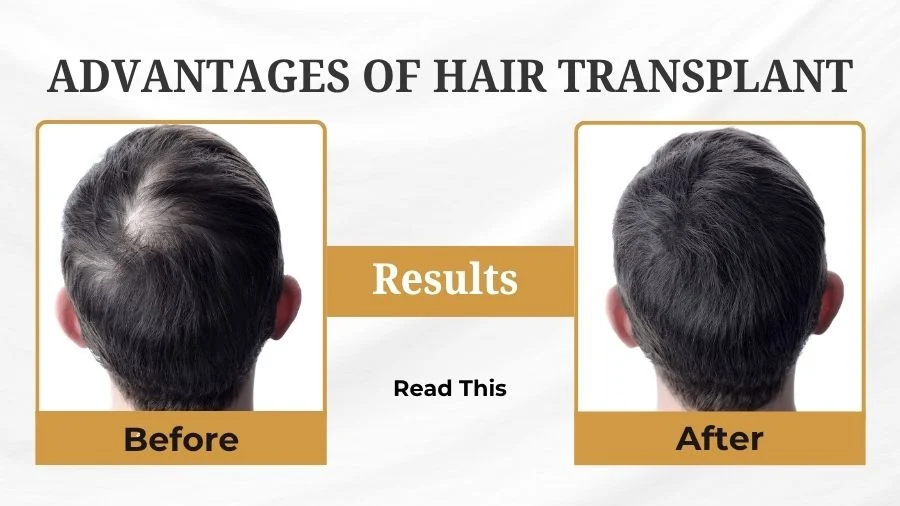
As a medical journalist, I’ve learned that treatments often discussed casually online can carry layers of clinical nuance when examined up close. During a recent visit to VIVA Aesthetic Clinic, I sat down with Dr. Deepam Shah to better understand what patients mean when they refer to the 6 Advantages of Hair Transplant. My goal was not to assess cosmetic outcomes, but to explore the medical reasoning, patient selection, and long-term implications behind a procedure that has become increasingly common in urban dermatology practice.
Meeting Dr. Deepam Shah: Qualifications and Clinical Experience
Dr. Deepam Shah medical background reflects formal training combined with focused experience in dermatology and aesthetic medicine. He holds an MBBS degree and has pursued advanced clinical training in dermatology, trichology, and hair restoration techniques, including follicular unit extraction (FUE) and follicular unit transplantation (FUT).
With several years of clinical experience, Dr. Shah has managed a wide range of hair loss patterns—genetic, hormonal, and stress-related. During our interview, he emphasized that hair transplantation is not a cosmetic shortcut but a medical procedure that requires careful diagnosis of hair loss type, donor area health, and patient expectations.
His clinical profile places him among practitioners often described as the Best Skin Specialist in Mumbai, a designation that, in medical terms, reflects consistent procedural standards and patient education rather than marketing outcomes.
Inside VIVA Aesthetic Clinic: Environment, Expertise, and Setup
VIVA Aesthetic Clinic operates from well-established locations in Charni Road and Colaba, both accessible areas in South Mumbai. During my visit, the clinic environment felt clinical and methodical—consultation rooms dedicated to scalp examination, treatment planning, and photographic documentation.
Dr. Shah explained that hair transplant procedures are performed in sterile, controlled settings with trained medical staff overseeing each stage, from graft harvesting to implantation. Emphasis is placed on maintaining graft viability, minimizing trauma, and ensuring patient comfort during long procedures.
The clinic’s workflow reflects protocols expected from centers associated with the Best Dermatologist in Mumbai, where dermatology intersects with procedural medicine and long-term follow-up care.
Understanding Hair Transplantation: A Clinical Overview
Hair transplantation involves relocating hair follicles from a donor area—typically the back or sides of the scalp—to areas experiencing thinning or baldness. Dr. Shah explained that the popularity of hair transplants stems from predictable biological principles: transplanted follicles retain their genetic resistance to hair loss.
When discussing the 6 Advantages of Hair Transplant, Dr. Shah clarified that these advantages are rooted in permanence, natural growth patterns, and patient psychology rather than immediate cosmetic change.
The 6 Advantages of Hair Transplant: Explained Clinically
Based on clinical practice and patient outcomes, Dr. Shah outlined six commonly cited advantages:
- Permanent Results – Transplanted hair follicles typically continue growing for years, unlike temporary treatments.
- Natural Appearance – When placed following natural hair direction and density patterns, results can be subtle and realistic.
- Low Maintenance – Transplanted hair can be washed, cut, and styled like natural hair.
- Psychological Impact – Many patients report improved self-perception and confidence post-recovery.
- Cost Efficiency Over Time – Compared to ongoing topical or medical therapies, long-term costs may stabilize.
- Targeted Treatment – Hair transplantation addresses specific bald areas rather than generalized scalp treatment.
Dr. Shah stressed that these advantages depend heavily on proper patient selection and surgical technique.
Benefits and Risks: A Balanced Medical Perspective
From a benefits standpoint, hair transplantation offers:
- Restoration of hair density in selected areas
- Long-lasting outcomes when graft survival is optimal
- Reduced dependence on daily hair loss products
However, Dr. Shah was careful to discuss risks, which may include infection, swelling, temporary shedding (shock loss), uneven density, or scarring in donor areas. While most side effects are temporary, poor technique or unrealistic expectations can lead to dissatisfaction.
This balanced discussion aligns with ethical dermatology practice, where informed consent is central to treatment planning.
Approximate Cost Range: A General Overview
Hair transplant costs vary widely based on:
- Number of grafts required
- Technique used (FUE vs FUT)
- Duration of procedure
- Post-operative care
In Mumbai, hair transplantation typically falls within a moderate to higher cost range, depending on complexity. Dr. Shah emphasized that cost should reflect medical standards and graft quality rather than volume discounts.
Precautions and Aftercare Advice Shared During the Interview
Post-procedure care significantly influences outcomes. Dr. Shah shared common aftercare guidelines provided at VIVA Aesthetic Clinic:
- Avoid touching or scratching the scalp during early healing
- Follow washing instructions carefully
- Avoid strenuous activity and sun exposure temporarily
- Attend follow-up visits to monitor graft survival
He also noted that visible growth takes time—often several months—and patience is an essential part of recovery.
A Journalist’s Closing Reflection
As I concluded my visit, it became clear that the conversation around hair transplantation should extend beyond appearance. The procedure intersects dermatology, psychology, and long-term planning. Understanding the 6 Advantages of Hair Transplant requires not just optimism, but education.
For those considering this path, the most valuable step may be an informed consultation rather than a rushed decision.
📞 93245 89084 | ☎️ 022 3573 1556
📧 clinicvivacosmetic@gmail.com