I arrived at Opera Bone and Joint Clinic on a busy Bangalore morning, notebook in hand, to meet Dr Ponnanna KM—an orthopedic specialist widely associated with acl treatment in bangalore. As a medical journalist, my aim was not to evaluate outcomes or offer endorsements, but to understand how clinical expertise, infrastructure, and patient communication come together in contemporary orthopedic practice. What follows is a firsthand, observational account based on my visit and interview with the doctor.
Professional Background and Qualifications
Dr Ponnanna KM academic pathway reflects a conventional yet rigorous orthopedic training trajectory. He completed his MBBS and MS in Orthopedics, followed by advanced training in arthroscopy and sports medicine. Over the years, his clinical focus has narrowed toward knee injuries, particularly ligament reconstruction procedures such as arthroscopic ACL surgery.
During our conversation, Dr Ponnanna spoke less about accolades and more about case patterns—how patient profiles have shifted from professional athletes to everyday individuals injured during recreational sports or even routine activities. This practical orientation seems central to his work as an Orthopedic Surgeon in Bangalore, where rising participation in fitness and amateur sports has increased the demand for ligament injury care.
Clinical Experience and Areas of Expertise
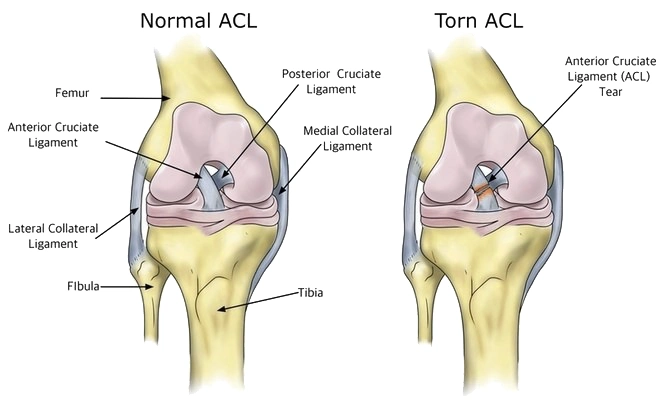
Dr Ponnanna’s experience spans several years of orthopedic practice, with a substantial portion devoted to arthroscopic knee procedures. Arthroscopic ACL reconstruction, in particular, forms a significant part of his caseload. According to the information shared and visible in patient education materials at the clinic, the procedure typically involves reconstructing the torn anterior cruciate ligament using a graft, performed through minimally invasive techniques.
What stood out in our interview was his emphasis on individualized surgical planning. Factors such as age, activity level, occupation, and degree of instability are considered before recommending surgery. This approach aligns with current orthopedic consensus, where not every ACL tear automatically leads to operative intervention.
The Clinic Environment and Setup
Opera Bone and Joint Clinic, located in Malleswaram, presents a compact yet organized clinical environment. The waiting area was calm, with educational charts illustrating knee anatomy and ligament injuries—subtle indicators that patient understanding is encouraged here. Consultation rooms were equipped with digital imaging access, allowing Dr Ponnanna to review MRI scans and X-rays in real time during patient discussions.
In addition to the primary clinic, Dr Ponnanna is associated with Sparsh Hospital in Yeshwanthpur, where surgical procedures are performed. The hospital setup supports arthroscopic surgeries with dedicated operating theaters, post-operative recovery units, and physiotherapy coordination. From a journalistic standpoint, the infrastructure appears consistent with what one would expect from a practitioner often referred to as among the Best Orthopedic Doctor in Bangalore in patient-driven discussions.
Understanding ACL Reconstruction: Benefits
In our discussion on arthroscopic ACL reconstruction, Dr Ponnanna outlined the commonly cited benefits, while also noting that outcomes depend heavily on rehabilitation and patient adherence.
Key potential benefits include:
- Restoration of Knee Stability: Reconstruction aims to reduce episodes of knee “giving way,” particularly during pivoting or high-impact movements.
- Return to Activity: For physically active individuals, surgery can enable a structured return to sports or demanding occupational tasks.
- Minimally Invasive Approach: Arthroscopy generally involves smaller incisions, which may translate into reduced post-operative pain and faster early recovery compared to open procedures.
These benefits explain why acl treatment in bangalore has seen growing demand, particularly in urban centers with active populations.
Risks and Limitations: A Balanced Perspective
Dr Ponnanna was careful to stress that ACL reconstruction, while common, is not without risks. From a journalistic lens, this transparency is critical to informed patient decision-making.
Potential risks include:
- Infection or Bleeding: As with any surgical intervention, these risks exist, though they are relatively uncommon with modern sterile protocols.
- Graft Failure or Laxity: In some cases, the reconstructed ligament may not achieve desired stability, particularly if rehabilitation protocols are not followed.
- Stiffness or Persistent Pain: Post-operative stiffness can occur, emphasizing the importance of early, guided physiotherapy.
- Delayed Return to Sport: Despite surgery, some patients may not regain pre-injury performance levels.
The doctor emphasized that surgery addresses mechanical instability, but recovery is a shared responsibility between surgeon, physiotherapist, and patient.
Approximate Cost Range
Costs associated with ACL reconstruction in Bangalore vary depending on hospital setting, type of graft used, surgeon’s experience, and length of hospital stay. Dr Ponnanna refrained from quoting specific figures, but based on prevailing urban healthcare ranges, arthroscopic ACL surgery may generally fall between ₹1.5 lakh and ₹3.5 lakh.
This estimate typically includes surgical fees, hospital charges, and basic implants, though physiotherapy and follow-up imaging may incur additional costs. Patients are usually advised to discuss detailed financial planning during pre-operative counseling.
Precautions and Aftercare Advice
One of the more detailed parts of our interview focused on aftercare—often the most underestimated phase of ACL treatment.
Common precautions and guidance shared include:
- Pre-Surgical Conditioning: Strengthening surrounding muscles before surgery can aid post-operative recovery.
- Structured Rehabilitation: Physiotherapy begins soon after surgery, progressing from range-of-motion exercises to strength and balance training over several months.
- Activity Modification: High-impact sports are typically avoided for at least six to nine months, depending on recovery milestones.
- Adherence to Follow-Ups: Regular reviews help monitor graft integration and address complications early.
Dr Ponnanna noted that patients who view surgery as a “quick fix” often struggle more than those who understand rehabilitation as part of the treatment continuum.
A Closing Reflection
As I left Opera Bone and Joint Clinic, what lingered was not a single procedure or statistic, but the broader narrative of modern orthopedic care—where surgical skill, patient education, and long-term rehabilitation intersect. For individuals navigating knee injuries, especially ligament tears, informed conversations with specialists remain central to making sense of available options.
Contact Dr. Ponnanna KM – Scheduling & Locations
Opera Bone and Joint Clinic 14 Ground Floor, 4th Main, 6th Cross Rd, Malleshwaram, Bengaluru, Karnataka 560003
Sparsh Hospital 4/1, Tumkur Rd, Yeshwanthpur Industrial Area, Phase 1, Yeswanthpur, Bengaluru, Karnataka – 560022
Tel: 8951545276
Mail: dr.ponnanna@gmail.com
To Know More – Schedule a consultation today