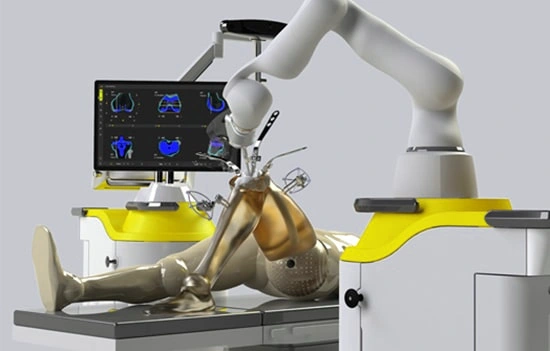
As a medical journalist, I often visit clinics and operating theatres where innovation is quietly reshaping patient care. My recent visit to Opera Bone and Joint Clinic in Malleswaram, Bangalore, was one such experience. I was there to meet Dr Ponnanna KM, an orthopedic specialist widely associated with robotic knee replacement surgery in banglore, and to understand how technology, experience, and clinical judgment intersect in modern joint care.
Walking into the clinic, the atmosphere was calm and methodical rather than theatrical. There was no overt emphasis on technology as spectacle. Instead, the focus was on patient flow, clarity of information, and clinical efficiency—elements that often speak louder than marketing when assessing a medical practice.
Professional Background and Clinical Experience
During our conversation, Dr Ponnanna KM outlined his professional journey with the precision one might expect from a surgeon. He is a qualified orthopedic surgeon with advanced training in joint replacement surgery, including robotic-assisted total knee replacement. His academic background includes formal orthopedic education followed by specialized fellowships and hands-on training in knee arthroplasty techniques.
With more than two decades of clinical experience, Dr Ponnanna has performed thousands of knee replacement procedures, ranging from conventional approaches to advanced robotic-assisted techniques. His work spans degenerative knee arthritis, complex deformities, revision surgeries, and trauma-related joint damage.
What stood out in the discussion was his emphasis on decision-making over devices. While robotic systems assist in precision, he repeatedly stressed that outcomes depend heavily on pre-surgical planning, patient selection, and post-operative care—an approach consistent with the mindset of an experienced Orthopedic Surgeon in Bangalore rather than a technology-driven evangelist.
Clinic Environment and Surgical Setup
Opera Bone and Joint Clinic functions as a consultation and diagnostic center, while surgical procedures are carried out at Sparsh Hospital, Yeshwanthpur, a tertiary care facility equipped for advanced orthopedic surgeries. During my visit, Dr Ponnanna walked me through how patients move from diagnosis to surgery and then into structured rehabilitation.
The robotic knee replacement system is housed within a full-fledged operating theatre environment at the hospital. According to Dr Ponnanna, robotic assistance allows for real-time mapping of the knee joint, helping surgeons align implants with higher accuracy. However, he was careful to point out that the robot does not replace surgical judgment—it supports it.
The setup reflects a balance between advanced infrastructure and established orthopedic protocols, reinforcing why many patients seek care from someone regarded as a Best Orthopedic Doctor in Bangalore based on experience rather than novelty alone.
Understanding Robotic Knee Replacement: Benefits and Risks
A significant portion of our interview focused on clarifying what robotic-assisted knee replacement actually offers patients.
Potential Benefits
Dr Ponnanna explained that robotic systems help surgeons achieve:
- Improved alignment and precision, which may influence implant longevity
- Better soft tissue balancing, potentially leading to improved knee function
- Customized surgical planning based on individual anatomy
- Reduced variability, especially in complex knee deformities
From a patient perspective, these factors may translate into smoother recovery, more natural knee movement, and predictable outcomes—though he emphasized that results still vary based on individual health status.
Possible Risks and Limitations
In keeping with his measured tone, Dr Ponnanna also discussed risks:
- As with any knee replacement, there are general surgical risks such as infection, blood clots, or stiffness
- Robotic assistance does not eliminate complications related to bone quality or healing capacity
- Outcomes depend on rehabilitation compliance, not just surgical accuracy
He noted that robotic knee replacement is not automatically superior for every patient and should be considered after thorough evaluation—particularly for elderly patients or those with multiple medical conditions.
Cost Considerations: A General Overview
When asked about costs, Dr Ponnanna avoided specific figures, which is appropriate given how variable orthopedic care can be. However, he provided a general framework.
In Bangalore, the approximate cost range for robotic-assisted knee replacement surgery is typically higher than conventional knee replacement due to:
- Use of robotic technology
- Advanced imaging and planning tools
- Specialized surgical expertise
Costs may vary depending on hospital choice, implant type, length of stay, and rehabilitation needs. Dr Ponnanna emphasized that financial discussions are handled transparently with patients before surgery, ensuring informed decision-making rather than pressure.
Precautions and Aftercare: What Patients Often Overlook
One of the more insightful parts of our discussion centered on aftercare—an area Dr Ponnanna believes is often underestimated.
He shared several consistent recommendations:
- Early mobilization under supervision to reduce stiffness and clot risk
- Structured physiotherapy, beginning soon after surgery and continuing for several weeks
- Weight management, as excess load affects implant longevity
- Infection vigilance, including wound care and timely reporting of symptoms
- Realistic timelines, understanding that full recovery can take months, not weeks
Dr Ponnanna stressed that robotic assistance may optimize surgical execution, but recovery remains a shared responsibility between patient, surgeon, and physiotherapy team.
A Measured Perspective on Technology and Care
As our interview concluded, what lingered was not a sales pitch for robotics, but a grounded perspective on its role. Dr Ponnanna views technology as an evolving tool—useful, but secondary to clinical reasoning and patient-centered care.
For patients exploring robotic knee replacement surgery in banglore, his approach offers a reminder that the best outcomes often come from clarity, preparation, and long-term commitment rather than the promise of innovation alone.
Contact Dr. Ponnanna KM – Scheduling & Locations
📍 Opera Bone and Joint Clinic – Yeshwanthpur / Malleswaram
Tel: 89515 45276
Mail: dr.ponnanna@gmail.com