As a medical journalist, I often encounter procedures whose names alone raise questions long before patients step into a consultation room. One such procedure is Reverse Shoulder Replacement in Bangalore, a surgery increasingly recommended for complex shoulder conditions where conventional replacements may fail. To understand its role, I visited Opera Bone and Joint Clinic in Malleswaram and spoke with Dr Ponnanna KM, an orthopedic surgeon whose clinical practice frequently involves advanced shoulder reconstruction.
The visit was revealing—not just for the technical aspects of the surgery, but for the way patient expectations, biomechanics, and long-term outcomes intersect in modern orthopedics.
Dr Ponnanna KM: Qualifications and Clinical Experience
Dr Ponnanna KM is a qualified orthopedic surgeon with specialized training in joint replacement and trauma care. His professional background includes years of surgical experience treating disorders of the shoulder, hip, knee, and other major joints. According to clinical details shared during our discussion, his work spans both primary joint replacements and complex revision surgeries.
Over time, Dr Ponnanna has developed particular expertise in shoulder conditions involving rotator cuff damage, arthritis, and fracture-related complications. His exposure to a wide spectrum of musculoskeletal disorders places him among clinicians often consulted as an experienced Orthopedic Surgeon in Bangalore, especially for patients whose conditions fall outside routine treatment pathways.
The Clinical Setting: Opera Bone and Joint Clinic
Opera Bone and Joint Clinic is designed as a focused orthopedic practice, emphasizing diagnosis, planning, and post-operative follow-up. During my visit, the clinic environment felt efficient and patient-oriented, with consultation rooms equipped for detailed physical examinations and access to imaging for surgical planning.
Dr Ponnanna also performs surgeries at Sparsh Hospital, Yeshwanthpur, a tertiary care facility with advanced operating theaters, anesthesia support, and post-surgical rehabilitation services. This dual setup allows patients to move seamlessly from outpatient consultation to inpatient surgery and recovery, reducing fragmentation in care.
Understanding Reverse Shoulder Replacement
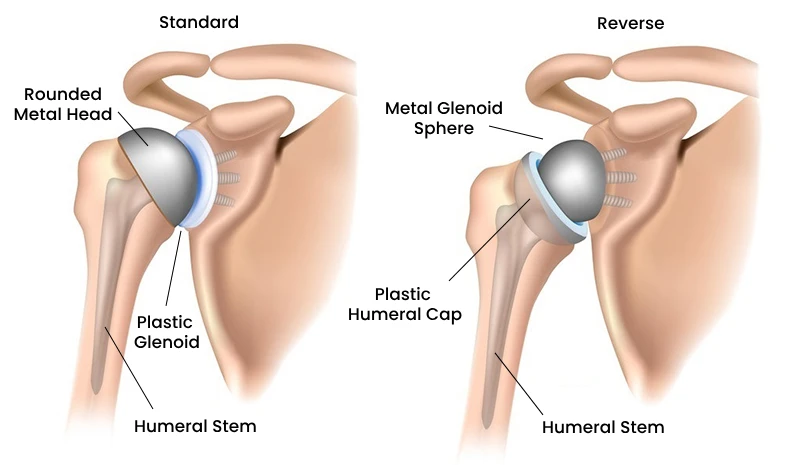
Unlike standard shoulder replacement, reverse shoulder replacement changes the natural ball-and-socket mechanics of the joint. The positions of the ball and socket are reversed, allowing the deltoid muscle—rather than the damaged rotator cuff—to power shoulder movement.
During our conversation, Dr Ponnanna explained that Reverse Shoulder Replacement in Bangalore is typically recommended for patients with:
- Irreparable rotator cuff tears
- Severe shoulder arthritis combined with cuff deficiency
- Failed previous shoulder replacements
- Complex fractures in older individuals
This procedure is not intended for all shoulder problems, but for a specific subset where conventional anatomy can no longer be restored.
Benefits of Reverse Shoulder Replacement
When appropriately indicated, reverse shoulder replacement can offer meaningful improvements in daily function. As discussed during the interview, potential benefits include:
- Significant pain relief, often soon after recovery begins
- Improved ability to lift the arm, even without a functioning rotator cuff
- Better shoulder stability in cases of severe joint damage
- Enhanced independence in activities such as dressing and grooming
Dr Ponnanna emphasized that while full strength may not return, functional gains can be substantial for patients previously limited by pain and immobility.
Risks and Limitations: A Balanced Perspective
Reverse shoulder replacement is a major surgical intervention and carries inherent risks. These may include:
- Infection or delayed wound healing
- Dislocation of the artificial joint
- Nerve injury or stiffness
- Implant wear or loosening over time
Dr Ponnanna noted that outcomes depend heavily on patient selection, surgical technique, and adherence to rehabilitation protocols. Patients with unrealistic expectations or inadequate post-operative support may find recovery challenging. This balanced, candid approach is one reason he is often referenced among the Best Orthopedic Doctor in Bangalore by patients seeking clarity rather than reassurance alone.
Approximate Cost Range in Bangalore
The cost of reverse shoulder replacement in Bangalore varies based on hospital choice, implant type, length of stay, and individual medical factors. In general terms, patients may encounter a broad, mid-to-high cost range, reflecting the complexity of the surgery and specialized implants involved.
Dr Ponnanna highlighted the importance of transparent cost discussions during pre-operative counseling, ensuring patients understand inclusions such as implants, hospital care, and rehabilitation support.
Precautions and Aftercare: Guidance from the Surgeon
Post-operative care plays a decisive role in long-term success. Based on insights shared during the interview, Dr Ponnanna typically advises:
- Wearing a shoulder immobilizer for the recommended duration
- Avoiding sudden or forceful shoulder movements in early recovery
- Gradual physiotherapy focused on range of motion before strength
- Adhering strictly to follow-up schedules
- Monitoring for signs of infection or unusual pain
He also emphasized patience. Recovery after reverse shoulder replacement is gradual, with functional improvements continuing over several months.
The Role of Rehabilitation
Rehabilitation after surgery is structured and phased. Early exercises focus on gentle mobility, progressing to functional use under supervision. Dr Ponnanna stressed that overexertion too early can compromise outcomes, while consistent, guided therapy supports long-term joint function.
A Journalist’s Closing Reflection
My visit to Opera Bone and Joint Clinic offered a grounded look at a procedure that often sounds more complex than it is when explained clearly. Reverse shoulder replacement is not about restoring a “normal” shoulder, but about restoring useful movement in situations where anatomy has irreversibly changed.
In speaking with Dr Ponnanna KM, I was reminded that the success of orthopedic surgery lies as much in measured decision-making as in technical skill. For patients whose shoulders have become a source of daily limitation, understanding their options—rather than rushing into them—can make all the difference.
For those navigating persistent shoulder pain or limited movement, an informed consultation may help clarify the path forward.
Contact Dr. Ponnanna KM – Scheduling & Locations
📍 Opera Bone and Joint Clinic – Yeshwanthpur / Malleswaram
Tel: 89515 45276
Mail: dr.ponnanna@gmail.com