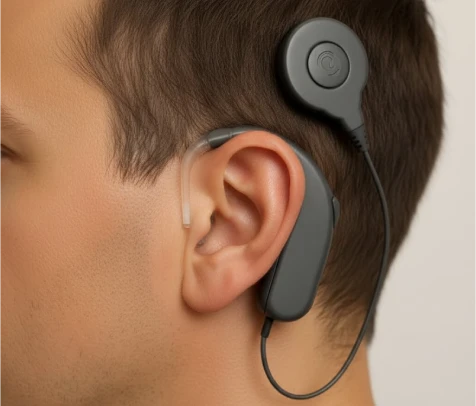
As a medical journalist, I have learned that some of the most impactful medical interventions are not always the most visible ones. My recent visit to Kokilaben Dhirubhai Ambani Hospital and Medical Research Institute in Andheri West was one such experience. I met and interviewed Dr. Shama S Kovale, a senior ENT surgeon known for her work with Cochlear Implant in Mumbai, to better understand how this technology-driven procedure is changing the landscape of hearing rehabilitation. This article reflects what I observed on the clinic floor and heard directly from the surgeon—through a lens that prioritizes clarity, evidence, and patient understanding.
The Clinical Environment at Kokilaben Dhirubhai Ambani Hospital
Kokilaben Dhirubhai Ambani Hospital is a large tertiary-care medical center, and its ENT and audiology departments reflect the scale and complexity required for advanced hearing interventions. During my visit, I observed a multidisciplinary workflow involving ENT surgeons, audiologists, speech therapists, and rehabilitation specialists. This integrated setup is essential for cochlear implant programs, which extend far beyond the operating room.
Consultation areas are designed for detailed counseling, while diagnostic zones support audiological testing such as audiometry, imaging reviews, and speech perception assessments. The surgical infrastructure, including advanced operating theaters and post-operative monitoring units, supports the safe execution of implant surgeries. This environment underscores why the hospital is often associated with comprehensive ENT care, aligning with expectations from an ENT Specialist in Mumbai working in a high-acuity setting.
Dr. Shama S Kovale: Qualifications and Clinical Experience
Dr. Shama S Kovale is a trained ENT surgeon with extensive experience in otology and neurotology, including cochlear implant surgery. Her academic background includes an MBBS followed by postgraduate specialization in Otorhinolaryngology (ENT). Over the years, she has developed focused expertise in managing hearing loss across age groups—from children with congenital deafness to adults with progressive or sudden sensorineural hearing loss.
According to details shared during the interview and reflected in her clinical profile, Dr. Kovale has been involved in evaluating, performing, and following up on cochlear implant cases for many years. Her experience spans pre-operative assessment, surgical implantation, and long-term auditory rehabilitation. This breadth of involvement is critical, as cochlear implantation is not a one-time intervention but a process that unfolds over months and years.
Her work within a multidisciplinary cochlear implant team reflects the depth of planning and coordination required—one of the defining features of practitioners often referred to as the Best ENT Specialist in Mumbai in tertiary care contexts.
Understanding Cochlear Implant Treatment
A cochlear implant is an electronic medical device designed for individuals with severe to profound sensorineural hearing loss who derive limited benefit from hearing aids. Unlike hearing aids, which amplify sound, cochlear implants bypass damaged inner ear structures and directly stimulate the auditory nerve.
Dr. Kovale explained that candidacy assessment is a rigorous process. It involves:
- Detailed hearing tests
- Imaging of the inner ear and auditory nerve
- Speech and language evaluation
- Medical fitness assessment
- Counseling for patients and families
Only after these steps is surgery considered. This structured approach ensures that cochlear implants are offered to patients most likely to benefit functionally.
Benefits and Risks of Cochlear Implant Surgery
Benefits
- Access to Sound: Many recipients gain the ability to perceive environmental sounds and speech.
- Speech and Language Development: In children, early implantation can support near-normal speech development when combined with therapy.
- Improved Communication: Adults often report better social interaction and reduced listening effort.
- Quality of Life: Increased independence and confidence are commonly reported outcomes.
Dr. Kovale emphasized that outcomes vary based on age at implantation, duration of deafness, and rehabilitation engagement.
Risks and Limitations
As with any surgical intervention, cochlear implantation carries risks:
- Surgical Risks: Infection, bleeding, or anesthesia-related complications, though uncommon.
- Device-Related Issues: Rare risks include device failure or need for revision surgery.
- Variable Outcomes: Not all recipients achieve the same level of speech understanding.
- Rehabilitation Demands: Surgery is only the beginning; auditory training is essential.
These risks are discussed in detail with patients to ensure informed decision-making.
Approximate Cost Range: A Neutral Overview
Cochlear implant treatment involves multiple cost components:
- Pre-operative assessments
- Implant device
- Surgical procedure and hospital stay
- Post-operative programming and therapy
In Mumbai, the overall cost typically falls within a higher medical expense bracket compared to conventional hearing aids. However, Dr. Kovale noted that costs vary depending on the implant brand, hospital services, and duration of rehabilitation. Financial counseling and, in some cases, government or insurance support may be explored during planning.
Precautions and Aftercare: Guidance from the Interview
Pre-Implant Precautions
- Timely Evaluation: Early assessment improves outcomes, especially in children.
- Vaccinations: Certain immunizations may be recommended prior to surgery.
- Realistic Expectations: Patients and families are counseled about gradual progress.
Post-Implant Aftercare
- Wound Care: Monitoring the surgical site during early recovery.
- Device Activation: Usually occurs a few weeks after surgery.
- Regular Mapping Sessions: Programming the implant to optimize hearing.
- Speech and Auditory Therapy: Critical for functional improvement.
- Long-Term Follow-Up: Continuous monitoring ensures sustained benefit.
Dr. Kovale stressed that consistent follow-up is central to successful cochlear implant outcomes.
A Journalist’s Closing Reflection
My visit to Kokilaben Hospital and interaction with Dr. Shama S Kovale offered insight into how cochlear implantation is practiced as a long-term rehabilitative journey rather than a single procedure. The structured assessments, multidisciplinary collaboration, and patient education I observed reflect a mature cochlear implant program. For individuals exploring Cochlear Implant in Mumbai, understanding this process is as important as understanding the technology itself.
Let’s Enhance Your Natural Beauty!
📍 Clinic Address:
Kokilaben Dhirubhai Ambani Hospital
📞 Give Us a Ring: +91-91528 50769
📧 Email: drshamakovaleent@gmail.com